
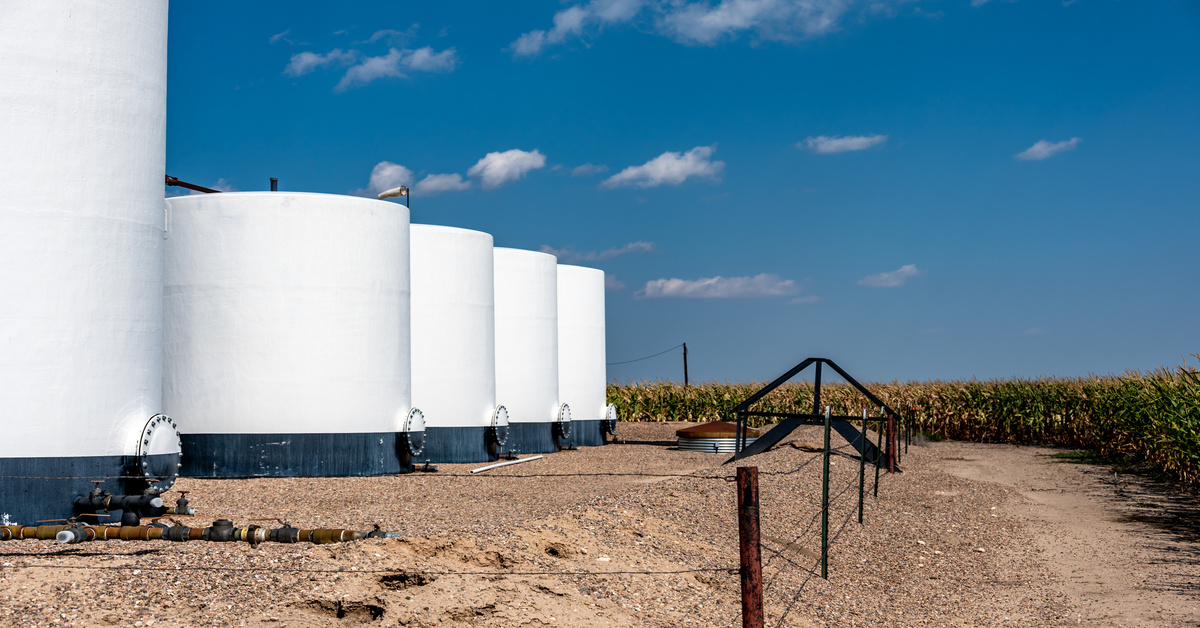
Secondary containment systems are becoming essential in industrial, agricultural, and construction operations. With tighter regulations and growing environmental awareness, businesses are adopting these solutions to prevent hazardous material spills, protecting the environment and operational efficiency.
This post explores why secondary containment liners are gaining popularity, their purpose, key benefits, and versatile applications. Understanding these systems is crucial for any organization handling harmful substances.
What is Secondary Containment?
Secondary containment is the practice of creating a barrier around a primary container, such as a tank or storage vessel. The purpose of this secondary barrier is to capture and hold any leaks, spills, or overflows from the primary container. This prevents hazardous materials from escaping into the environment.
The main goal of secondary containment is to protect soil and groundwater from contamination. With stricter environmental laws from agencies like the Environmental Protection Agency (EPA), businesses must implement reliable spill prevention plans. Secondary containment liners are a fundamental part of these plans, ensuring compliance and safeguarding natural resources.
The Surge in Popularity
Several key factors contribute to the increased adoption of secondary containment liners across various industries. These drivers highlight a shift toward more proactive and responsible operational practices.
Growing Environmental Concerns
Public and corporate awareness of environmental issues has grown significantly. The long-term damage caused by soil and water contamination is better understood, leading to greater pressure on industries to prevent spills. Companies are responding by investing in protective measures like secondary containment to demonstrate their commitment to environmental stewardship. By implementing secondary containment, companies can maintain a positive public image and build trust with communities and stakeholders.
Cost-Effectiveness Compared to Remediation
The cost of cleaning up a hazardous material spill can be extremely high. Remediation efforts often involve extensive soil excavation, water treatment, and long-term monitoring, along with significant regulatory fines.
Secondary containment liners offer a highly cost-effective alternative. The initial investment in a liner system is a fraction of the potential cost of a cleanup. By preventing spills before they happen, businesses can avoid massive remediation expenses and potential legal liabilities, making it a sound financial decision.

Ease of Installation and Maintenance
Modern secondary containment liners are designed for straightforward installation. Many systems are prefabricated or can be custom-fit to specific site requirements, which reduces installation time and labor costs. This ease of implementation allows companies to quickly become compliant with regulations without major operational disruptions.
Maintenance is also relatively simple. Routine inspections can identify potential issues before they become serious, and repairs are often quick and easy to perform. The durability of materials used in modern liners ensures a long service life with minimal upkeep, providing a reliable and low-maintenance solution for spill prevention.
Versatility in Applications
The adaptability and flexibility of secondary containment liners makes them suitable for various industries that handle hazardous substances.
Industrial Uses
In the industrial sector, secondary containment is critical. Chemical manufacturing plants, oil refineries, and processing facilities use liners to contain spills from storage tanks, pipelines, and processing equipment. This helps prevent the release of corrosive chemicals, petroleum products, and other toxic substances.
These liners provide a dependable barrier that protects the environment and the facility’s infrastructure. By containing spills, they also help maintain a safe working environment for employees.
Agricultural Applications
Agriculture relies heavily on chemicals such as pesticides, herbicides, and fertilizers. Secondary containment liners are used around storage areas for these substances to prevent them from seeping into the soil and contaminating groundwater or nearby water bodies. This is crucial for protecting crop health and ensuring food safety.
Farms also use liners for fuel storage tanks and livestock waste lagoons. In these applications, the liners prevent fuel leaks and stop animal waste from contaminating the surrounding land and water sources, supporting sustainable farming practices.
Construction and Infrastructure Projects
Construction sites often involve temporary storage of fuels, oils, and other chemicals. Secondary containment liners provide a temporary and effective spill control solution for these materials.
For permanent infrastructure projects, such as power plants and water treatment facilities, liners are integrated into the design to provide long-term spill protection. This ensures that these essential facilities operate safely and in compliance with environmental standards.
Key Benefits of Secondary Containment Liners
The use of secondary containment liners offers several important advantages that extend beyond simple spill prevention. These benefits reinforce their value as a critical operational tool.
Preventing Soil and Groundwater Contamination
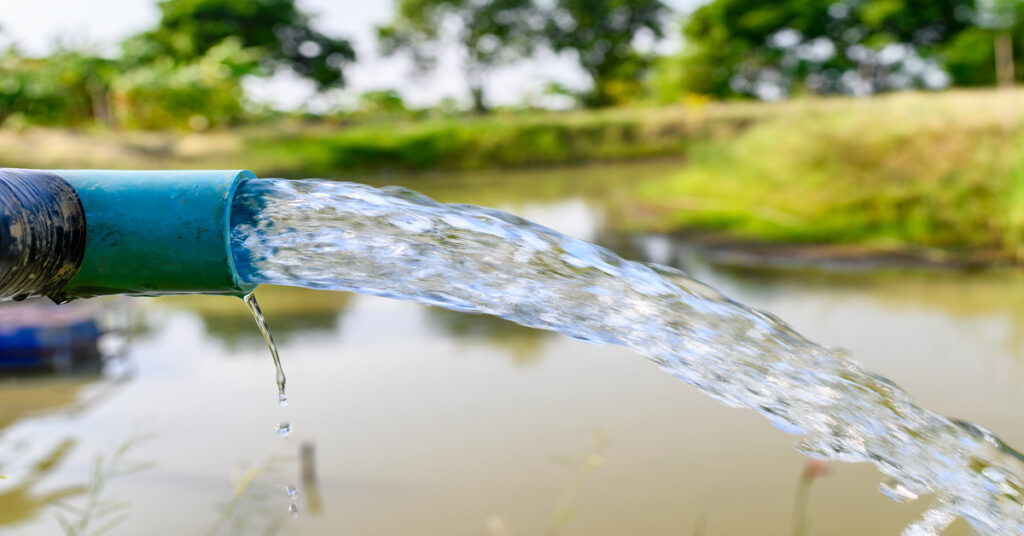
The primary benefit of secondary containment liners is the prevention of environmental contamination. By capturing spills at the source, they stop hazardous materials from entering the soil and reaching groundwater. This is vital for preserving the quality of natural resources and protecting ecosystems from harm.
Protecting water sources is particularly important, as groundwater is a major source of drinking water for many communities. Effective containment helps ensure that these water supplies remain safe and clean for public use.
Compliance with Environmental Regulations
Regulatory compliance is a major concern for any business handling hazardous materials. Agencies like the EPA have strict requirements for spill prevention and control. Secondary containment liners are a necessary method for meeting these regulatory standards.
By installing a proper containment system, companies can avoid costly fines and legal penalties associated with non-compliance. It also demonstrates a commitment to responsible operations, which can be beneficial during regulatory inspections and audits.
Enhanced Safety for Workers and Communities
Hazardous material spills pose significant risks to human health. Direct contact with or inhalation of toxic substances can cause serious health problems for workers and residents in nearby communities. Secondary containment minimizes these risks by keeping spills contained within a manageable area.
This enhanced safety helps create a more secure work environment and protects the well-being of the public. By preventing uncontrolled releases, liners play a crucial role in public health and safety.
Browse Types of Secondary Containment Liners
Understanding the benefits and applications of secondary containment liners is the first step toward safeguarding your operations. The next is choosing the right solution for your specific needs. Royal Liner offers a wide range of high-quality secondary containment liners designed for durability and compliance.
We invite you to explore our selection of products to find the perfect fit for your industrial, agricultural, or construction project. Our team is ready to help you navigate your options and ensure you have the most effective spill prevention system in place. Protect your assets and the environment with a trusted solution.
Your Partner in Environmental Protection
The growing popularity of secondary containment liners reflects a broader industry trend toward proactive environmental management and risk reduction. Their ability to prevent soil and groundwater contamination, ensure regulatory compliance, and enhance safety makes them an indispensable tool.
Investing in a reliable secondary containment system is a strategic decision that protects your business and the environment. If you are ready to enhance your spill prevention measures, our experts are here to help. Contact Royal Liner today for a consultation and discover how our solutions can provide the security and peace of mind you need.
Looking for the perfect solution for your tank, pit, or secondary containment?
We’re here to help! Our decades of experience as a tank lining company have given us exposure to a wide range of needs. Contact our team of tank lining specialists to discuss your needs and a solution, or request a quote today.