

When you choose a tank liner, look beyond the material you plan to store. The tank itself plays a major role in how well the liner handles daily stress and performs over time. Steel, concrete, fiberglass, and plastic tanks each create different conditions for liner installation and use.
You can improve the reliability of your containment system by evaluating the tank and liner as a single, integrated system. To do that effectively, consider how the tank materials affect liner performance as much as chemical compatibility. Before you compare liner options, inspect the tank and consider how it operates.
Why Tank Construction Matters to Liner Performance
Your tank creates the physical environment that supports the liner. That environment can vary by tank type: a rigid tank may provide stable support, but its interior can contain rough areas. A flexible tank may offer a smoother surface, yet its walls can move as the tank fills and faces temperature changes. The liner must handle those conditions without losing its fit.
Treat the Tank and Liner as One System
Chemical resistance matters, but it does not answer every question. You also need to consider the liner’s ability to maintain its shape during service. When you evaluate the tank and liner together, you can identify potential problems before installation. That approach helps you select a liner that fits the tank’s physical conditions instead of relying on chemical compatibility alone.
Steel Tanks
Steel tanks provide a strong structure with predictable dimensions. However, the interior surface can pose challenges for a liner, especially when the tank has been operating for many years.
Corrosion can leave behind rough areas that increase abrasion or create concentrated pressure. Unfortunately, even small surface defects can matter when the liner remains in place for an extended period.
Before you install a liner in a steel tank, inspect the entire interior. Remove contaminants and address protrusions that could damage the liner. You may need to smooth rough welds or remove debris from the tank floor.
A flexible liner can separate the stored contents from the steel shell and help protect the tank from direct exposure. Even so, the liner cannot correct every surface problem. If you install it over severe corrosion or sharp projections, those defects may continue to affect performance.
Concrete Tanks
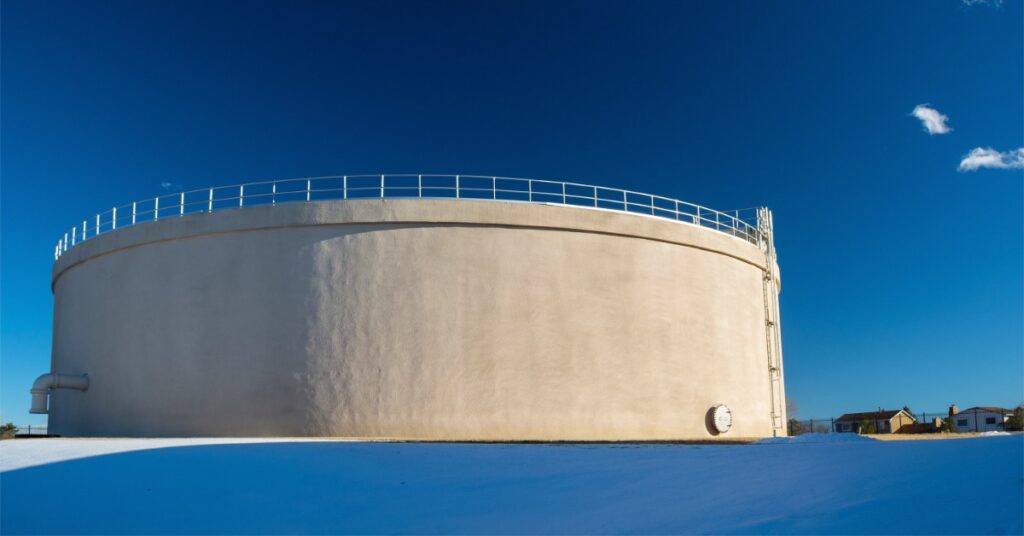
Concrete tanks provide a rigid foundation, but their interior surfaces often exhibit greater variation than those of steel or manufactured plastic. Small voids and uneven finishing can affect how the liner rests against the tank.
Concrete can also crack as it ages or responds to structural movement. A flexible liner may cover minor surface irregularities, but it should not replace structural repairs. Significant damage still requires attention before you install the liner.
A clean, sound substrate supports better liner performance. Remove loose material and address areas that could abrade or puncture the liner. You should also inspect corners and transitions, as these locations can create additional stress during installation.
Check Moisture Conditions
Concrete can retain moisture, which can affect the installation environment. However, the level of concern depends on the liner design and the way the system attaches to the tank. Keep that in mind as you evaluate the concrete’s condition and moisture level.
Before installation, evaluate the concrete’s condition and moisture level. Give the surface time to meet the requirements of the selected liner system. By controlling these conditions early, you can create a more predictable installation and reduce the risk of future problems.
Fiberglass Tanks
Fiberglass tanks often provide a smoother interior than unfinished concrete, but they still require careful evaluation. Because fiberglass-reinforced structures can flex under load, the liner must accommodate normal movement without developing excessive strain.
Inspect the tank for chips or other damage before you install the liner. A damaged area can create an irregular contact point even when the rest of the tank appears smooth.
Tank geometry also matters in fiberglass applications. Curved walls typically require accurate measurements and careful fabrication. If the liner does not match the tank’s shape, it may form unnecessary folds or pull tightly against certain areas.
Plastic Tanks
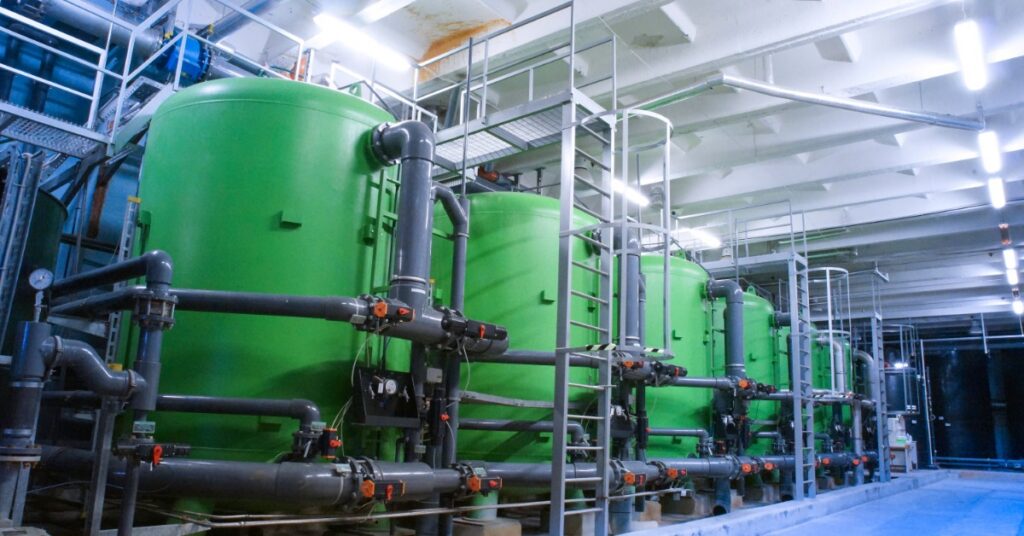
Plastic tanks can flex as their contents change, but the amount of movement depends on the tank design and operating conditions. Account for that movement when selecting and sizing the liner.
A liner that cannot accommodate expected movement may experience unnecessary stress. Poor fit can also create folds in one area and tension in another. Over time, those conditions can affect seams and the liner surface.
Plastic tanks also require careful compatibility review. The liner must resist the stored product, and the complete system must work with the tank’s construction. You should consider how the liner will behave against the plastic surface during filling, draining, and temperature changes.
Why Surface Condition Matter as Much as Tank Material
Tank material gives you a useful starting point, but it does not tell you everything about liner performance. Even tanks made from the same material can have very different interior conditions.
An older tank may show wear that a newer tank does not. Previous repairs may also create raised areas or changes in texture. Look for these conditions that could affect the liner’s fit and durability:
- Sharp edges that could concentrate pressure
- Rough surfaces that could increase abrasion
- Protruding welds that could contact the liner
- Existing cracks that could change the support surface
- Damaged fittings that could complicate sealing
- Debris that could become trapped beneath the liner
Address these conditions before they create avoidable damage. Once the support surface is stable, the liner can perform its containment function without taking on unnecessary stress.
Choose a Liner for Long-Term Tank Performance
Start your liner selection process with a complete tank evaluation. First, identify the tank material and inspect the interior surface. Then determine whether the structure moves during operation.
Next, review the stored contents and operating conditions. Chemical compatibility should guide the material choice, while temperature and expected movement should influence the liner’s physical properties.
Understanding how tank materials affect liner performance helps you make better decisions before installation begins. The tank provides the structure, and the liner needs the right physical environment to perform effectively.
In need of durable yet flexible tank liners designed to match your tank’s construction and operating conditions? Royal Liner can help you find a lining solution suited to your containment needs. Our team can help you evaluate your tank material, surface condition, and service requirements before selecting the right liner. Request a quote today to get started.
Looking for the perfect solution for your tank, pit, or secondary containment?
We’re here to help! Our decades of experience as a tank lining company have given us exposure to a wide range of needs. Contact our team of tank lining specialists to discuss your needs and a solution, or request a quote today.