
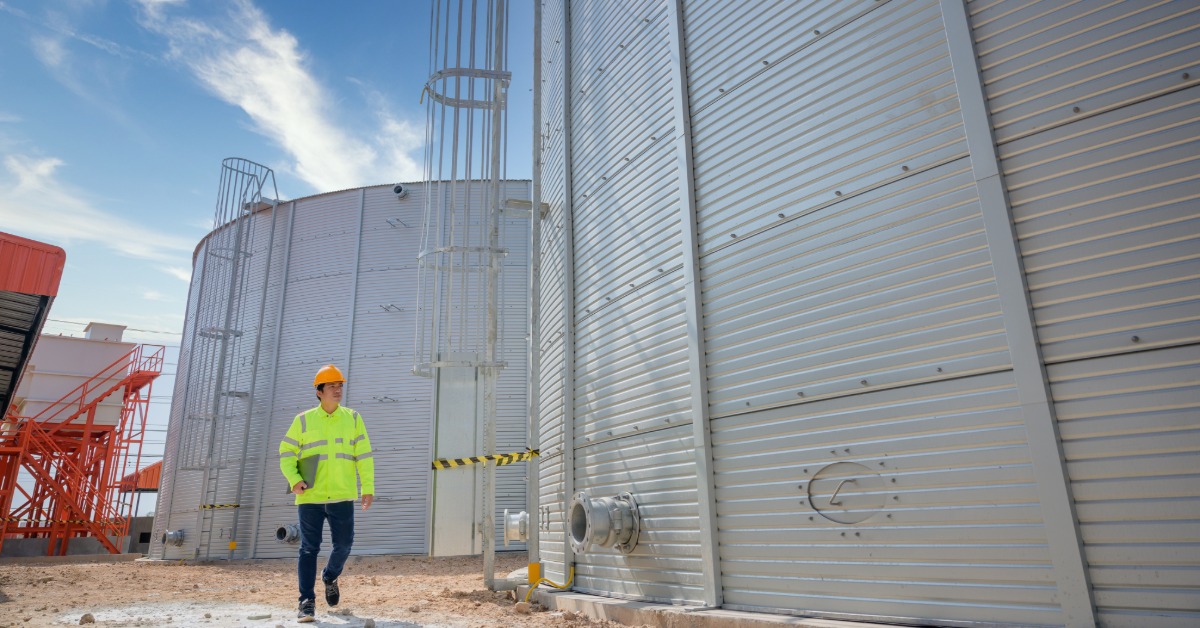
Industrial tanks support storage and processing across many facilities. A professional lining project helps protect tank walls and control leaks.
A tank lining company brings technical planning and custom fabrication into one managed process. Facility owners should know what to expect from a professional tank lining project to ensure everything proceeds smoothly.
Initial Consultation and Project Review
A professional project starts with a detailed consultation. The lining team reviews tank use and site conditions. The first step defines the service demands that the liner must handle. It also helps determine whether the project needs a new liner or a repair. The project review also covers schedule goals and operational limits.
Tank Inspection and Condition Assessment
The next phase involves a tank inspection. The installation team checks the tank structure and existing lining condition.
This assessment helps identify corrosion or active leaks. The team also checks whether the tank surface can support the proposed lining system. Inspection findings guide the installation plan and also show whether the tank needs repairs before lining work begins.
Material Selection and Custom Liner Design
Tank lining projects require material choices that match the application. The team evaluates chemical exposure and operating temperature.
Custom design plays a major role in performance. A liner must fit the tank dimensions without creating weak points. Material selection may include flexible or reinforced liner materials. The design phase also accounts for anchoring and attachment details.

Project Planning and Site Preparation
Good planning helps the installation process move efficiently. The project team defines access needs and site safety controls.
Facility owners start by draining and cleaning the tank before work and inspection start. A professional plan should address confined space procedures when the tank requires internal access. It should also define ventilation and entry controls.
Common preparation steps include:
- Draining the tank
- Cleaning interior surfaces
- Removing loose debris
- Confirming safe access
- Isolating connected systems
- Coordinating equipment staging
Fabrication and Fit Verification
Many tank liners require custom fabrication before installation. The fabrication team uses measurements and design details to create the liner.
Accurate fabrication helps the liner fit the tank shape and reduces field adjustments. Fit verification may occur before delivery or during installation. The team checks dimensions and openings for fittings. A custom approach helps address irregular tank shapes.
Surface Preparation and Tank Readiness
Surface preparation depends on the lining type and tank condition. The installation team may remove loose coatings or sharp edges.
The crew also checks for projections that could puncture the liner during service. Any required repairs should happen before liner placement. Tank readiness affects installation quality. A clean interior supports better fit and safer work.
Liner Installation and Attachment
Installation begins once the tank and site meet the project requirements. The crew places the liner inside the tank and positions it according to the design.
The team secures the liner through the selected attachment method. Attachment details may include mechanical fastening or clamping.
Installers work carefully around penetrations and transition points. The crew also manages folds and tension. A properly installed liner should fit the tank without unnecessary movement. It should also support filling and draining cycles.
Seaming and Detailing
Seaming creates the continuous lining surface. The installation team uses the correct seaming process for the selected liner material.
This step requires controlled technique and close attention. Strong seams help prevent leaks and support long term performance. This step will determine the difference between a basic installation and a reliable system. Skilled detailing helps the liner handle real operating conditions.
Detailing covers fittings and other complex areas. The crew reinforces or seals these areas according to the design.
Quality Control and Testing
A professional tank lining project includes quality control checks. The crew inspects seam work and attachment points.
Testing methods depend on the material and project requirements. The team may use visual inspection or other approved methods. Quality control should happen before the tank returns to service. This gives the team time to correct issues before liquid enters the tank.
Project Timeline and Downtime Considerations
Project duration depends on tank size and site conditions. Complex tanks usually require more planning and installation time.
A professional team should communicate schedule expectations before work begins. Clear communication helps facility owners plan around tank downtime. Unexpected findings can affect the schedule. Corrosion or residue can require additional preparation.
Safety and Compliance Expectations
Safety remains central throughout the project. Professional crews follow site rules and applicable safety procedures.
Industrial tank work can involve confined spaces and chemical residues. It can also involve elevated work and heavy materials.
A qualified installation team coordinates with facility staff before starting work. This coordination helps align permits and access rules. Compliance needs can vary by industry and tank contents. Facility owners should confirm internal requirements before the project begins.
Final Review and Return to Service
After installation and testing, the team conducts a final review. This review confirms completion details and verifies that the liner meets project requirements.
The crew may provide guidance for filling and startup. Gradual return to service can help confirm liner behavior under normal conditions.
A professional project does not end at installation. Proper documentation and maintenance planning support long term value.
Maintenance After Installation
Routine maintenance helps extend liner service life. Facility teams should inspect exposed areas and seams at planned intervals.
Cleaning practices should match the liner material. Harsh tools or incompatible chemicals can reduce liner performance. A lining provider can recommend inspection intervals based on tank use. This guidance helps facility teams plan maintenance with fewer surprises.
What Facility Owners Should Expect From the Process
A professional tank lining project should feel organized from the first discussion to the final review. The provider should explain the process and communicate project requirements clearly.
Facility owners should expect technical questions during planning. These questions help the team select the right liner and prepare for installation challenges.
The project should include custom design when standard products do not fit the tank. Customization helps address tank geometry and operational demands.
Partner With Royal Liner for Custom Tank Lining
Royal Liner provides tank lining solutions for industrial facilities that need durable containment and custom fit. Our tank lining company supports project planning and material selection.
Contact Royal Liner to discuss the process for a professional tank lining project for an industrial tank or facility. A technical team can review project requirements and recommend a lining approach that supports long term performance.
Looking for the perfect solution for your tank, pit, or secondary containment?
We’re here to help! Our decades of experience as a tank lining company have given us exposure to a wide range of needs. Contact our team of tank lining specialists to discuss your needs and a solution, or request a quote today.