

Chemical tank liners are the primary defense against hazardous leaks and structural damage, protecting tank shells from corrosion and promoting chemical purity. Neglecting these essential components can lead to premature failure and significant financial loss.
Environmental factors, especially seasonal temperature swings and weather conditions, heavily impact liner longevity. A proactive maintenance schedule that adapts to these shifts is vital for safe operations.
This guide outlines seasonal maintenance procedures to maximize tank liner lifespan and reduce the risk of downtime or contamination. Follow these steps to protect your assets year-round.
Spring Maintenance
Post-Winter Inspections
Winter conditions often leave behind hidden damage that only becomes apparent as the ice thaws. It’s important to conduct a comprehensive visual inspection of the entire liner surface.
Freeze-thaw cycles create expansion and contraction stresses that affect seams and attachment points. Check every seam closely for signs of separation or micro-cracking. Even the smallest breach in a seam can compromise the integrity of the entire containment system.
Inspect the areas around nozzles, outlets, and other penetrations with extra care. Ensuring the seals remain tight prevents leaks as the chemical volume fluctuates with rising temperatures.
Deep Cleaning Protocols
Warmer weather provides the perfect environment for biological growth on tank surfaces. Algae, mold, and mildew can accumulate rapidly in humid spring conditions. These organic materials can degrade certain liner polymers and contaminate the stored chemicals.
Select cleaning agents that are compatible with both the liner material and the stored chemical. Harsh solvents may react negatively with the liner and cause chemical degradation. Rinse the liner thoroughly to ensure no cleaning residue remains before refilling the tank.
Summer Maintenance
Managing Heat Exposure
Intense summer heat poses one of the most significant challenges for chemical tank liners. High ambient temperatures raise the temperature of the stored liquid and the liner material itself. This heat can soften certain thermoplastics and increase their susceptibility to physical damage.
Direct exposure to sunlight introduces UV radiation that attacks the chemical bonds of the liner material. Over time, UV exposure causes the material to become brittle and prone to cracking. Verify your liner has adequate UV resistance or shielding.
Monitor the temperature of the stored chemicals frequently during heatwaves. Elevated temperatures often accelerate the corrosive nature of specific chemicals. This increased chemical aggression requires more frequent inspections to ensure the liner maintains its resistance.
Ventilation and Pressure Control
High temperatures cause chemicals to expand and release vapor at a faster rate. This expansion significantly increases the internal pressure within the closed tank system. Excess pressure puts immense strain on the liner and risks blowing out seams.
Test pressure relief valves and ventilation systems. Blocked vents force the liner to balloon outward and stretch beyond its elastic limit. Regular testing of these safety mechanisms prevents catastrophic structural failures.
Inspect the headspace of the tank for signs of liner deformation. Stretching or rippling in the upper sections of the liner indicates excessive pressure buildup. Addressing ventilation issues immediately relieves this stress and preserves the liner's shape.

Fall Maintenance
Preparation for Temperature Drops
Fall maintenance focuses on preparing the system for the upcoming cold. As temperatures drop, materials naturally contract and tighten. This thermal contraction creates tension across the liner surface and at anchor points.
The liner should have enough slack to accommodate this shrinkage. A liner installed too tightly will tear as the material pulls inward during cold snaps. Adjusting the tension now prevents expensive repairs in the middle of winter.
Clear all debris, such as fallen leaves and branches, from around the tank exterior. Organic matter traps moisture against the tank structure and promotes corrosion. A compromised tank shell fails to provide adequate support for the internal liner.
Checking for Leaks and Cracks
Inspect the containment area around the tank for signs of chemical leaks, such as discoloration or crystallization on the ground. Detecting leaks early allows for easier repairs while the weather remains mild.
Check the liner's flexibility during inspections. Hardening or stiffening indicates chemical aging or plasticizer loss. Replacing a brittle liner in fall is much safer than during freezing winter conditions.
Winter Maintenance
Insulation and Freeze Prevention
Freezing temperatures pose the greatest physical threat to chemical tank liners, as many materials lose impact resistance and become brittle in extreme cold. A sharp impact or sudden shift in liquid volume can break a frozen liner.
Install or inspect thermal insulation around the tank to maintain a stable internal temperature. Insulation prevents chemicals from freezing and keeps the liner within its operating temperature range, reducing physical stress on the system.
For tanks in particularly harsh environments, consider using immersion heaters to prevent ice formation that could damage the liner. Ensure any heating element does not directly contact the liner material.
Managing Ice Accumulation
Monitor the liquid level to prevent ice sheets from forming at the surface, as they can damage liner walls when the liquid level changes. Keeping the liquid moving or heated disrupts solid ice formation.
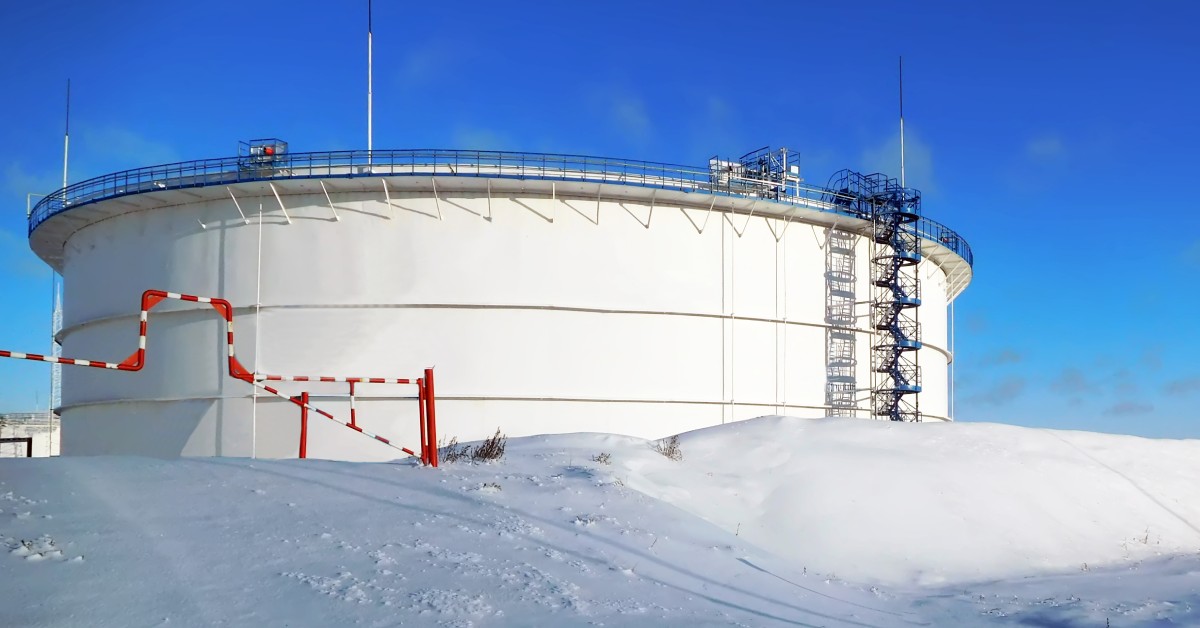
Remove icicles or snow from the tank exterior and roof. Heavy snow loads can deform the tank and compress the liner. Clearing this weight ensures the system’s structural stability.
General Maintenance Tips
The Importance of Regular Inspections
Consistency is the foundation of any successful maintenance program. Routine checks allow you to catch minor issues before they escalate into major failures.
Document every inspection with detailed notes and photographs. This historical record helps track the rate of wear and predict when the liner will need replacement. Analyzing these trends allows for better budget planning and resource allocation.
Proper Cleaning Practices
Using improper cleaning methods can damage chemical liners. Avoid high-pressure washers, which can tear the material or force water behind it. For standard maintenance, a gentle, low-pressure rinse is usually enough.
Always test new cleaning agents on a small, hidden area of the liner first to check for adverse reactions. Wait 24 hours to see the results before cleaning the entire tank.
Consult your liner manufacturer for a list of approved cleaning substances. They provide technical data on chemical compatibility for your specific liner. Following their guidelines will preserve your warranty and the material's integrity.
Knowing When to Replace
Repairing a liner offers a temporary solution, but every liner eventually reaches the end of its service life. Multiple patches or widespread material degradation indicate that replacement is necessary. Continuing to use a failing liner risks a catastrophic spill.
Royal Liner provides custom-fabricated chemical containment liners designed to withstand the toughest industrial environments. Our team utilizes advanced materials that offer superior resistance to chemicals and weather extremes. Visit the Royal Liner website to explore options that will upgrade your facility’s safety and efficiency.
Planning for replacement prevents the panic of an emergency shutdown. Keep a spare liner on hand or have a supplier relationship ready for quick turnaround. Being prepared ensures minimal disruption to your production schedule.
Maintaining chemical tank liners requires year-round attention, as each season presents unique challenges. Ignoring these factors can lead to equipment failure and safety risks. Following these seasonal steps keeps liners durable and reliable.
Regular care safeguards your investment and facility. Stick to a routine schedule with strict cleaning and inspections to ensure the longevity of your containment systems. If you have any questions about caring for your Royal Liner product, don’t hesitate to reach out to our team for any maintenance needs.
Looking for the perfect solution for your tank, pit, or secondary containment?
We’re here to help! Our decades of experience as a tank lining company have given us exposure to a wide range of needs. Contact our team of tank lining specialists to discuss your needs and a solution, or request a quote today.