
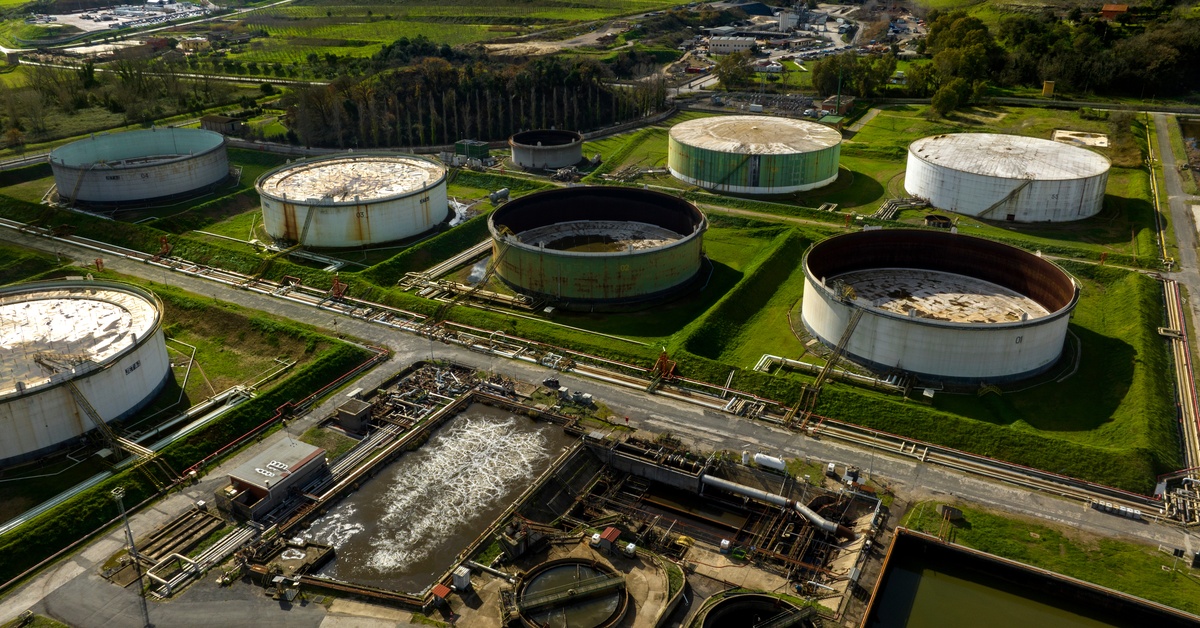
Industrial tank liners create a critical barrier between stored liquids and the tank itself, preventing corrosion, contamination, and leaks that could cause environmental hazards or financial losses. The integrity of these liners is essential for safe operations across various industries. However, natural disasters like hurricanes, earthquakes, and floods threaten containment systems.
Addressing damage from natural disasters promptly is crucial for the safety of personnel and the environment. This guide offers actionable steps for assessing and resolving tank liner damage after a major weather event.
Common Types of Damage After a Natural Disaster
Natural disasters bring chaotic forces that impact tank liners in specific, often severe ways. One of the most frequent issues is tearing or puncturing caused by flying debris. During high-wind events like tornadoes or hurricanes, branches, metal sheets, and other loose objects can strike the tank with immense force. Even small punctures compromise the liner’s ability to contain liquids effectively.
Another significant issue is displacement or detachment from the tank structure. Earthquakes or shifting foundations can cause the tank shell to move independently of the liner. This movement stretches the material beyond its elastic limit or rips it away from its fastening points. Once detached, the liner may fold or collapse, rendering it useless for containment.
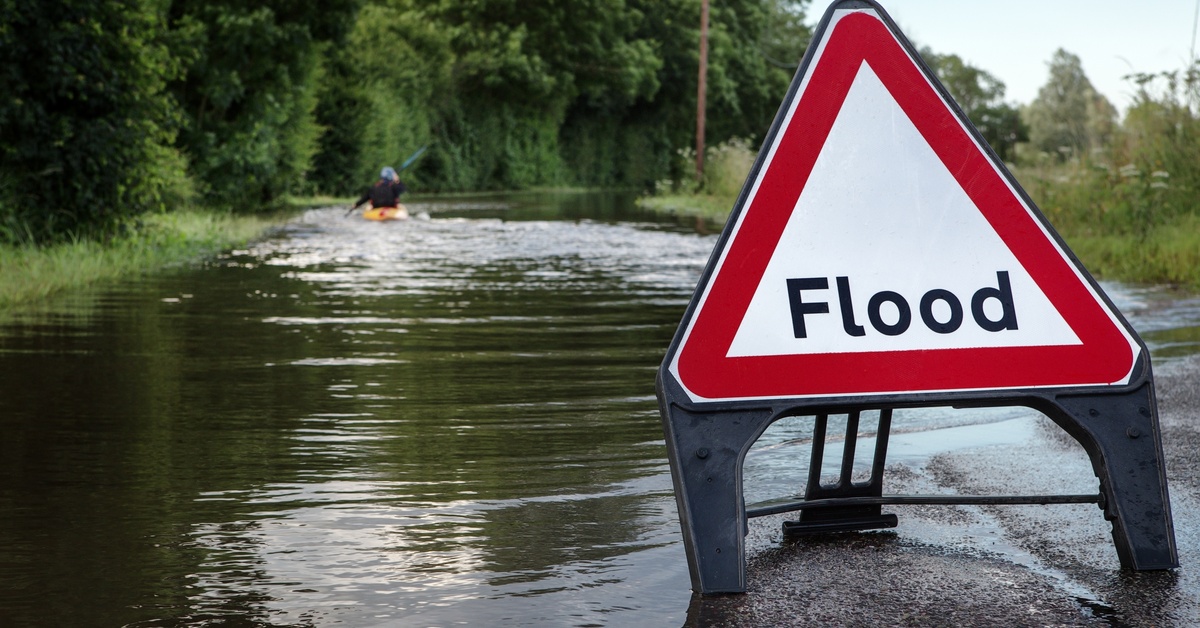
Floodwaters introduce a different set of risks, primarily chemical contamination. If floodwater breaches the tank, it introduces silt, biological matter, or reactive chemicals from nearby facilities. This contamination can degrade the liner material chemically, leading to brittleness or dissolving the protective coating. Furthermore, if the tank loses its cover during the event, prolonged exposure to sunlight can cause rapid UV degradation on the interior surface, which is not typically designed for direct solar exposure.
Initial Assessment and Safety Precautions
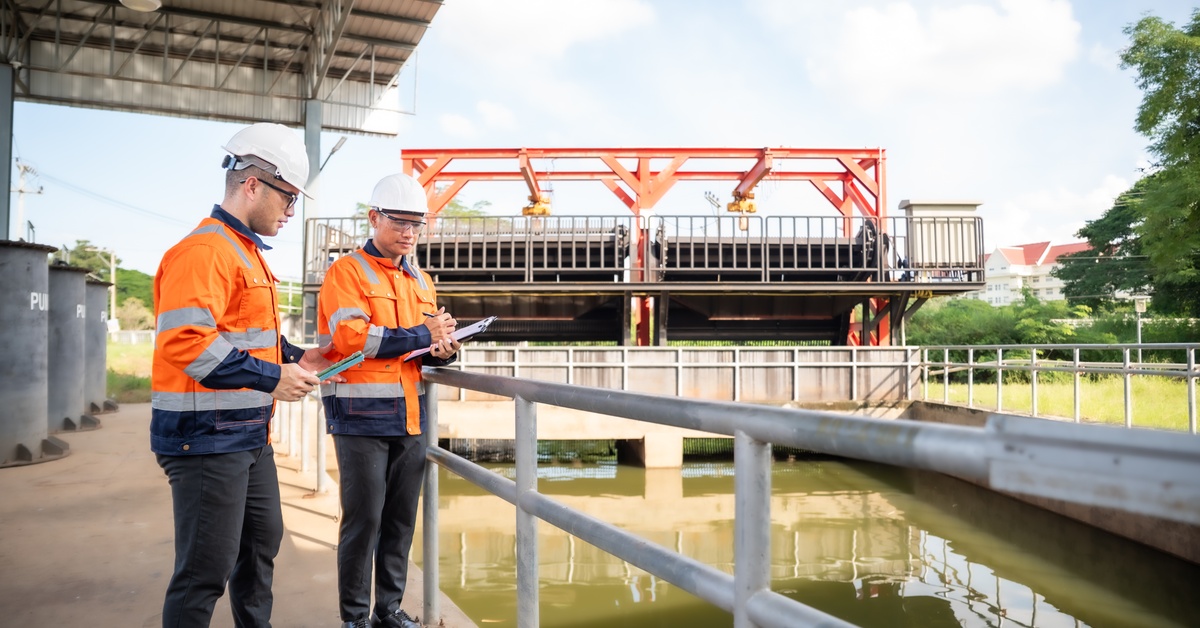
Before attempting any repairs, you must conduct a preliminary visual inspection from a safe distance. Look for obvious signs of structural failure, such as leaning tanks, buckled walls, or large tears in the liner visible from the outside. Do not enter a confined space or climb onto a damaged tank until a qualified structural engineer deems it safe. This initial scan helps you gauge the severity of the situation without putting staff at risk.
Personnel involved in the assessment must wear appropriate personal protective equipment (PPE). This typically includes chemical-resistant gloves, safety goggles, hard hats, and steel-toed boots. If there is a risk of hazardous fumes or chemical off-gassing, respiratory protection is mandatory. Assume that floodwaters or spilled contents are hazardous until testing confirms otherwise.
Identifying potential hazards extends beyond just the liner itself. You must check for electrical hazards if water has impacted pumps or control panels. Be aware of structural instability, as a compromised tank shell can collapse without warning. Additionally, verify if any chemical exposure risks exist for the surrounding community, as this requires immediate notification of emergency services.
Step-by-Step Guide to Handling Tank Liner Damage
Once you’ve established the site’s safety, the first priority is containing the leak to prevent further environmental impact. Use sandbags, absorbent booms, or temporary berms to create a perimeter around the tank. If the liner is leaking, attempt to transfer the remaining liquid to a secure auxiliary tank or tanker truck immediately. Reducing hydrostatic pressure on the damaged liner prevents the tear from widening.
For minor punctures or small tears, temporary stabilization methods can buy you time. Industrial-grade patch kits compatible with your specific liner material can seal small holes effectively. Clean the area around the damage thoroughly before applying the adhesive or patch to ensure a strong bond. Mechanical fasteners or clamps may help secure a detached section of the liner to the tank rim temporarily.
Knowing when to call professional repair services is crucial for long-term safety. If the damage involves long tears, compromised seams, or widespread chemical degradation, do not attempt a DIY fix. Contact a certified tank liner technician who can perform a comprehensive evaluation. They have the specialized tools and materials required to perform heat welding or extensive patching that meets regulatory standards.
Repair vs. Replacement: Making the Right Decision
Deciding between repairing a damaged liner and replacing it entirely depends on several key factors. The extent of the damage is the primary consideration. A liner with multiple large tears or compromised structural integrity usually requires replacement.
You must also consider the age of the liner. If the material is nearing the end of its service life, investing in repairs may not be cost-effective compared to installing a new system.
Cost analysis plays a significant role in this decision-making process. Repairs are generally cheaper upfront but may lead to higher maintenance costs if the liner fails again shortly after. Replacement involves a higher initial capital expenditure but resets the lifecycle of the containment system. You should also factor in the cost of downtime. If a repair takes weeks but a replacement can be done in days, the operational savings often jusitfies the replacement cost.
Preventing Future Damage
Implementing a rigorous inspection and maintenance schedule strengthens your facility’s resilience against natural disasters. Regular checks allow you to identify and fix minor wear and tear before a storm exacerbates these issues. Documenting the condition of your liners helps assess changes over time and proves due diligence for insurance claims.
Reinforcing the tank structure itself adds a layer of protection for the liner. Anchor bolts should be checked for corrosion and tightness to prevent the tank from shifting during high winds or seismic activity. Ensuring that the tank’s foundation remains stable and free of erosion is also vital for maintaining structural integrity.
Choosing disaster-resistant liner materials can significantly reduce the risk of failure. Modern synthetic liners offer enhanced puncture resistance and tensile strength. Ask your tank lining company about materials specifically tested for high-stress environments or those with reinforced scrims. Investing in a premium, thicker liner often pays for itself by surviving events that would destroy standard-grade materials.
Looking for Tank Liner Replacements?
If your assessment reveals that your current system is beyond repair, or if you want to upgrade to a more resilient solution, professional help is available. Royal Liner tank lining company specializes in custom-fabricated tank liners designed to withstand harsh industrial environments. Our team can guide you through selecting materials that offer superior chemical resistance and durability. Visit Royal Liner today to explore our range of new tank liner products and secure your containment systems.
Proper maintenance and quick action after a natural disaster are crucial for preserving tank liners. Identifying damage types, like punctures or chemical degradation, ensures accurate assessments and effective repairs. Prioritizing safety during inspections protects your team, while timely repairs or replacements safeguard operations and the environment.
Deciding between repair and replacement requires evaluating costs, liner age, and long-term risks. Investing in preventative measures, such as reinforcements and high-quality materials, reduces future damage. Act now to keep your containment systems strong. Consult our experts at Royal Liner to keep your facility ready for any challenge.