
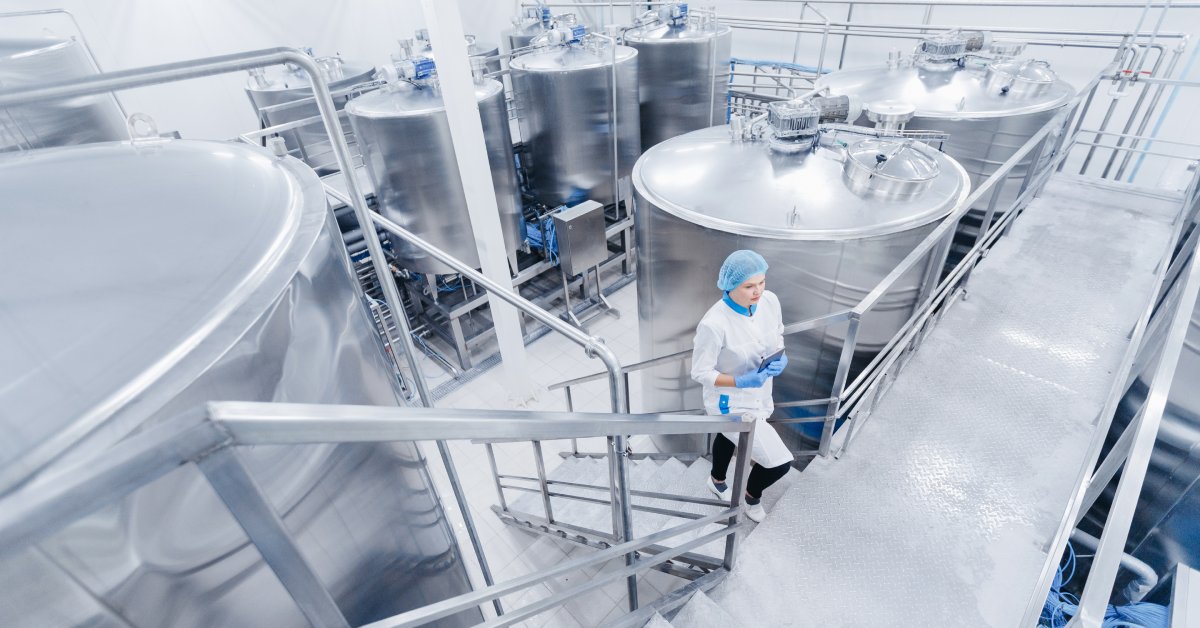
Properly storing food-grade chemicals is critical for maintaining product integrity and ensuring public safety. The right containment system prevents contamination, leaks, and material degradation. Tank liners provide a crucial protective barrier, extending the lifespan of storage tanks and safeguarding the chemicals within.
Choosing an appropriate liner is essential, as different materials offer varying levels of chemical resistance, durability, and cost-effectiveness. This guide explores the best tank liner options available for food-grade chemical storage to help you make an informed decision for your operational needs.
Types of Food-Grade Chemical Tank Liners
Several materials are suitable for lining tanks that store food-grade chemicals. Each has distinct properties that make it ideal for specific applications. Understanding these properties is the first step toward selecting the right solution for your facility.
The most common materials include polyethylene, polytetrafluorethylene (PTFE), and polyvinyl chloride (PVC). Factors such as the type of chemical stored, operating temperatures, and budget will influence which liner is the best fit. A thorough evaluation of these materials ensures optimal performance and regulatory compliance.
Key Features and Benefits of Tank Liners
Tank liners offer significant advantages for storing food-grade chemicals. They act as a primary or secondary containment solution, protecting the tank structure and the stored product. Investing in a high-quality liner is a preventative measure against costly repairs and catastrophic failures.
Corrosion Resistance
Corrosion is a primary concern when storing chemicals, even those classified as food-grade. A corrosion-resistant lining creates a barrier that prevents the chemical from contacting the tank’s surface. This feature is vital for preserving the structural integrity of steel or concrete tanks.
Royal Liner provides highly resistant liners that prevent corrosive materials from degrading your storage vessels. This protection extends the tank’s operational lifespan and reduces the need for frequent and expensive maintenance. Without this protective layer, tanks are susceptible to wear that can lead to contamination.
Leak Prevention
Even small leaks can lead to significant product loss and potential environmental hazards. Tank liners are designed to be a seamless, impermeable barrier that blocks leaks. This is especially important for aging tanks that may have developed small cracks or weak points over time.
Tank liners provide an additional layer of defense against leaks, ensuring that chemicals remain safely contained. This preventative solution eliminates the constant worry of monitoring tanks for potential issues, allowing for more secure operations. A reliable liner is an investment in the safety of your employees, facility, and the surrounding environment.
Extended Tank Lifespan
Replacing a large storage tank is a time-intensive and expensive undertaking. Installing a tank liner is a cost-effective way to extend the lifespan of your existing storage systems. The liner absorbs the wear and tear that would otherwise affect the tank itself.
By protecting the tank from corrosion, abrasion, and chemical attack, tank liners can significantly delay the need for replacement. This allows you to maximize the return on your initial investment in storage infrastructure. It is a proactive approach to asset management that saves money and minimizes operational downtime.
Contamination Prevention
In the food and beverage industry, preventing product contamination is non-negotiable. Tank liners ensure that the stored chemical does not interact with the tank material, which could introduce impurities. A clean, inert lining is essential for maintaining the quality and safety of food-grade products.
Tank liners from Royal Liner are manufactured to meet stringent quality standards, ensuring they do not leach harmful substances into the stored chemicals. This feature protects your materials and helps your business adhere to industry regulations. Maintaining product purity is fundamental to consumer trust and brand reputation.
Comparing Tank Liner Materials
Selecting the right material for your tank liner requires comparing their properties. Chemical resistance, temperature tolerance, durability, and cost are all important factors to consider. A direct comparison helps clarify which material best suits your specific storage requirements.
Polyethylene vs. PTFE
Polyethylene (PE) liners are a popular and cost-effective choice for a wide range of chemicals. They offer good chemical resistance, particularly against acids and bases. High-Density Polyethylene (HDPE) is known for its strength and durability, making it suitable for many food-grade applications.
Polytetrafluoroethylene (PTFE) liners provide superior chemical resistance and can withstand a wider range of temperatures. PTFE is almost completely inert, meaning it will not react with the stored chemicals. However, it is a more expensive option compared to polyethylene.
PVC vs. Polyethylene
Polyvinyl Chloride (PVC) liners are flexible and offer good resistance to many chemicals, oils, and greases. They are often used for secondary containment applications due to their durability and affordability. While suitable for some food-grade chemicals, you'll need to verify their compatibility for each specific substance.
Polyethylene liners generally offer broader chemical resistance than PVC, especially at higher concentrations and temperatures. The choice between PVC and polyethylene often comes down to the specific chemical you’re storing and the overall cost.
How to Select the Best Tank Liner
Choosing the right tank liner requires careful assessment of your specific storage needs. A systematic approach ensures you select a liner that provides reliable, long-term performance. Considering all relevant factors will help you avoid costly mistakes.
Identify the Stored Chemical
The first and most important step is to identify the exact chemical you will be storing. Different chemicals have different effects on liner materials. Consult a chemical resistance chart to verify that the liner material is compatible with the chemical, its concentration, and its temperature.
Consider Operating Temperatures
The temperature of the stored chemical and the ambient environment will affect the performance of the liner. Some materials become brittle at low temperatures or may soften at high temperatures. Ensure the liner you choose is rated for the full range of operating temperatures your tank will experience.
Evaluate Tank Condition
The age and condition of your tank also play a role in liner selection. For older tanks with surface imperfections, a thicker or more flexible liner may be necessary to ensure complete coverage and prevent punctures. A smooth, well-prepared tank surface is ideal for any liner installation.
Consult with an Expert
When in doubt, consult with a tank lining specialist. An expert can provide guidance based on years of experience with various applications and industries. Our experts at Royal Liner can help you navigate the complexities of material selection and ensure you make the right choice.
Where to Find Chemical Tank Liners
When you need a reliable solution for your chemical storage needs, finding a trusted manufacturer is key. Royal Liner has over 75 years of combined experience designing and manufacturing chemical tank liners for various industries, including those handling food-grade chemicals.
We offer solutions for manufacturing, chemical production, water treatment, and farming. Our team of specialists understands the unique challenges associated with each industry and can help you find the perfect liner for your tank, pit, or secondary containment system.
Secure Your Storage System Today
Investing in the right tank liner is a critical step in ensuring the safe and efficient storage of food-grade chemicals. A high-quality liner prevents corrosion, stops leaks, and extends the life of your tanks, ultimately protecting your employees, your business, and the environment.
By carefully considering the types of materials available and your specific operational needs, you can select a solution that offers long-term value. Do not wait for equipment failure to become a concern. Contact Royal Liner today to discuss your requirements or to request a quote for your chemical containment needs.
Looking for the perfect solution for your tank, pit, or secondary containment?
We’re here to help! Our decades of experience as a tank lining company have given us exposure to a wide range of needs. Contact our team of tank lining specialists to discuss your needs and a solution, or request a quote today.