
Custom Tank Liners
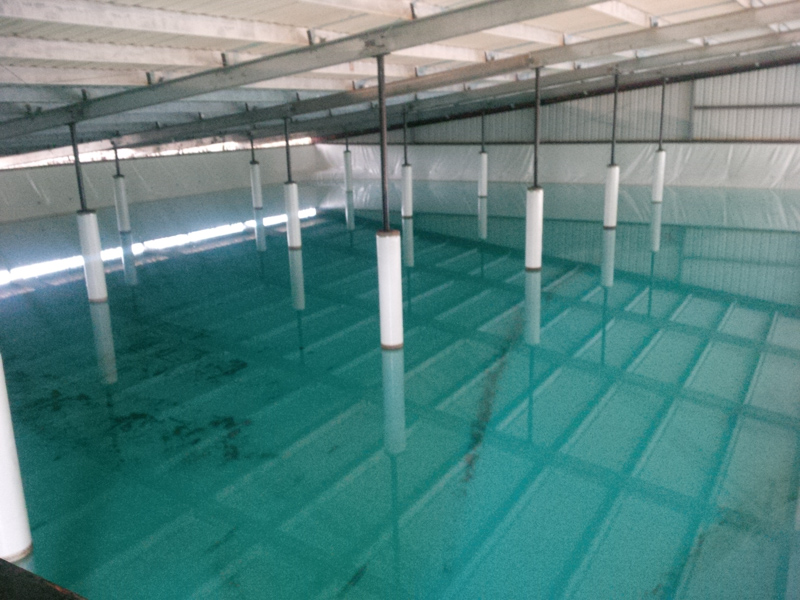
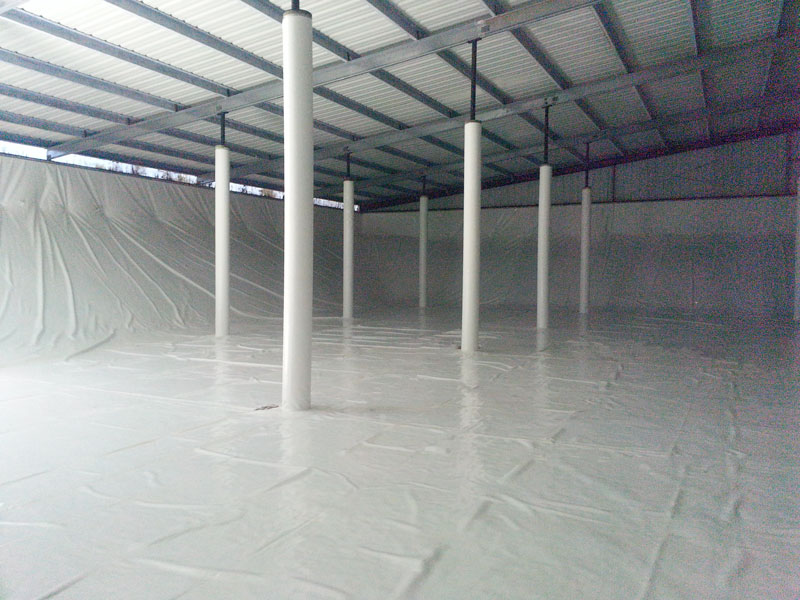
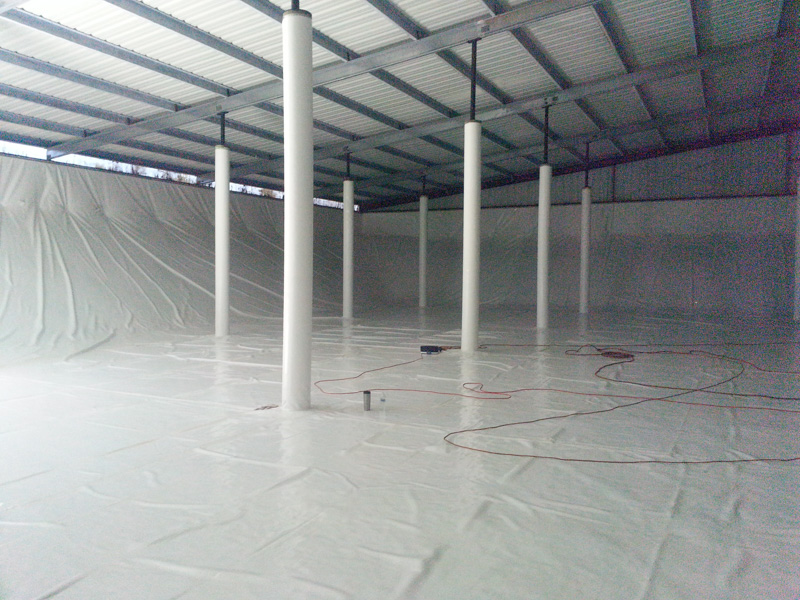
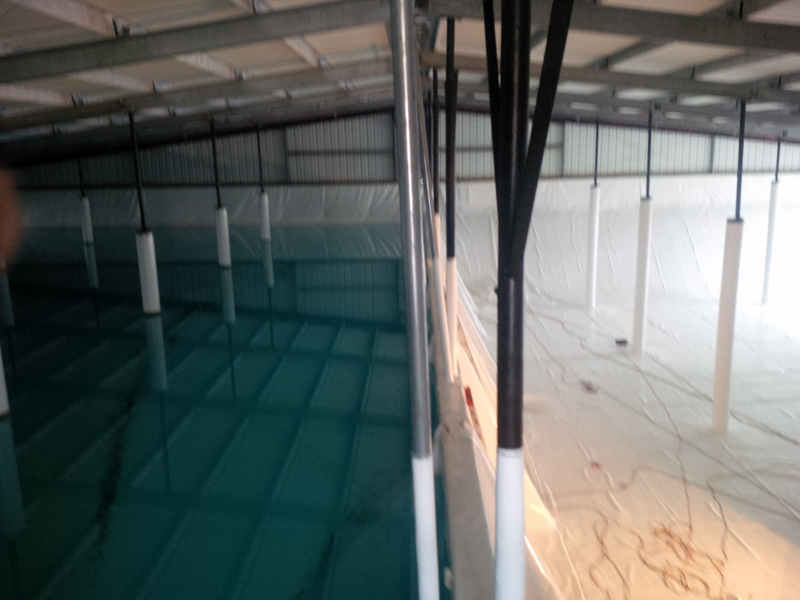
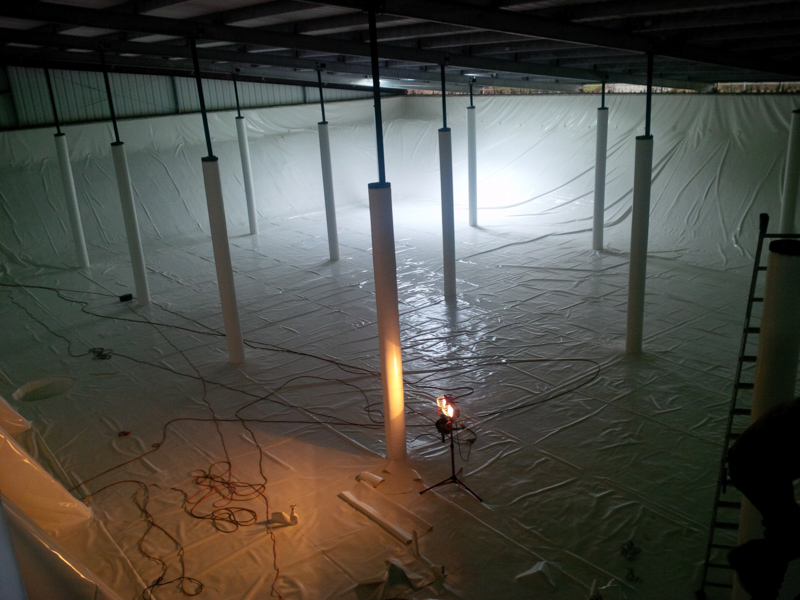
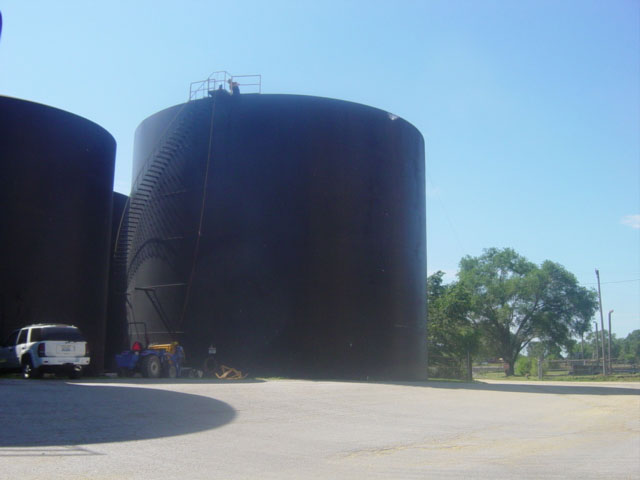
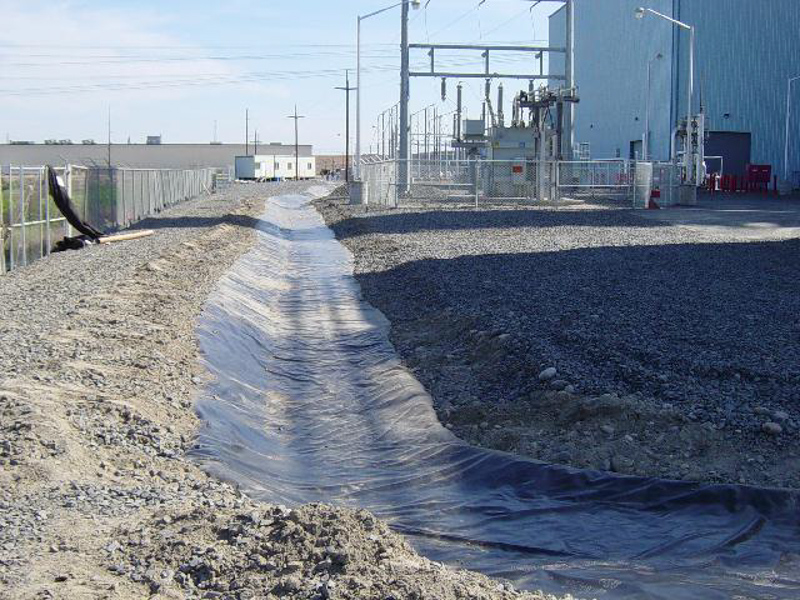
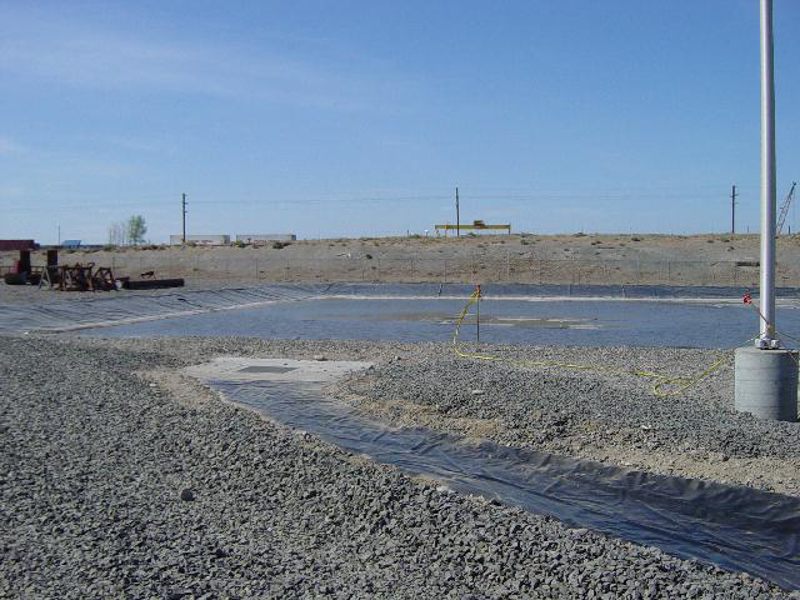
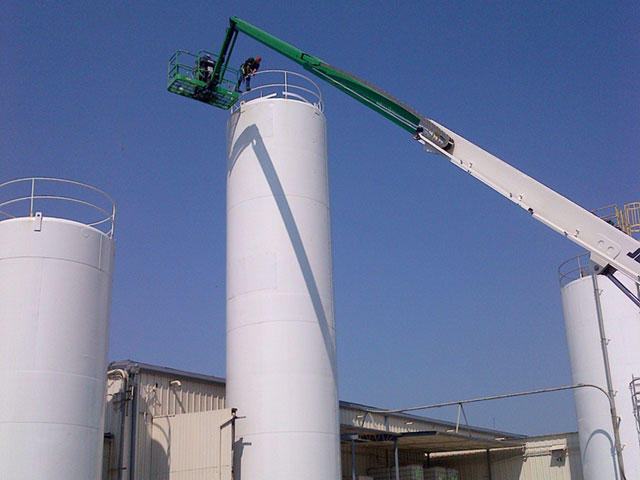
Royal Liner can create many different custom-fabricated flexible tank liners for containment in corrosive and high-temperature applications. Below you’ll see some examples of our industrial tank liner products, including custom tank liners, secondary containment liners, water reservoir liners, fertilizer tank liners, trench liners, and others.
These custom tank liners are one of the best things you can invest in for your organization and your tanks, serving to simultaneously protect the materials you’re storing, the tanks themselves, and your facility. Without the right storage tank lining, your tanks will degrade, your materials will lose their purity, and you’ll also put your business at risk of a dangerous leak or spill. Leaks and spills are not something you want in your facility at all, even when it’s something like water. It can put your team in danger, damage products, and harm your facility. Thankfully, you can avoid these harmful leaks and spills when you work with Royal Liner and invest in the right tank liners that work for you, your storage tanks, and whatever materials you store.
Our water storage tank liners are ideal for potable water containers and other secondary containment options, effectively protecting against corrosion and high temperatures for a longer-lasting containment tank. We also offer custom installations and tank relining and repair services for your primary or secondary containment systems. Our team has a wealth of expertise in the custom manufacturing of our flexible storage tank lining products, which we use to ensure the longevity of your tanks and containment areas, regardless of the application. For both chemical and water storage, Royal Liner leads the pack in reliable and effective custom tank liners. Contact us to learn more.
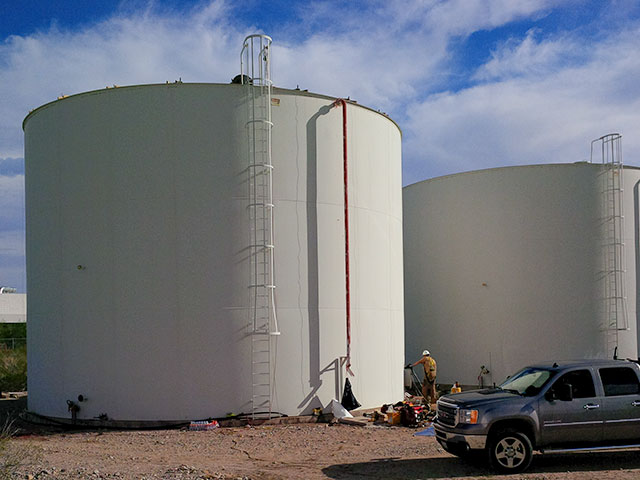
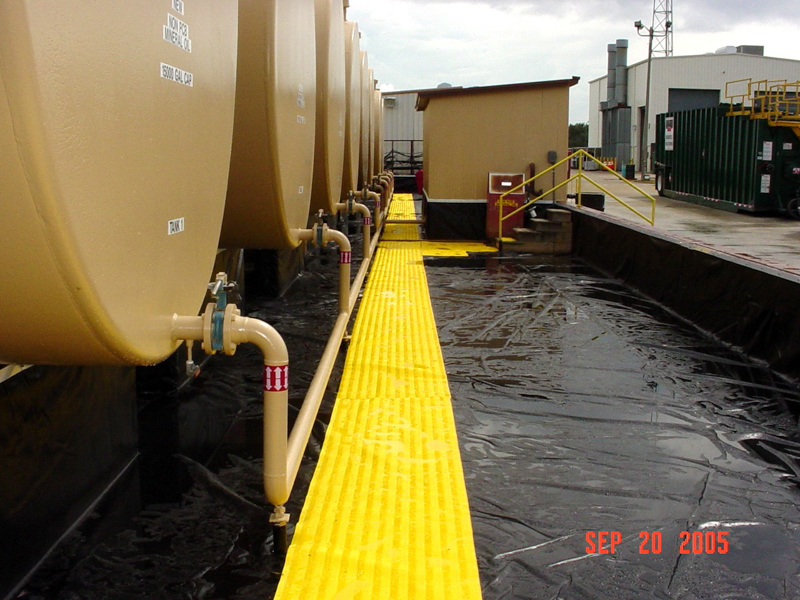
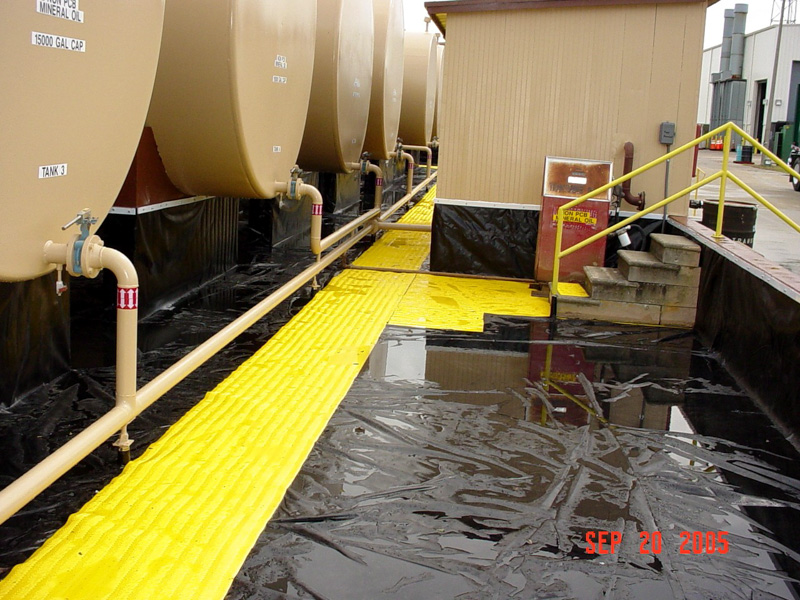
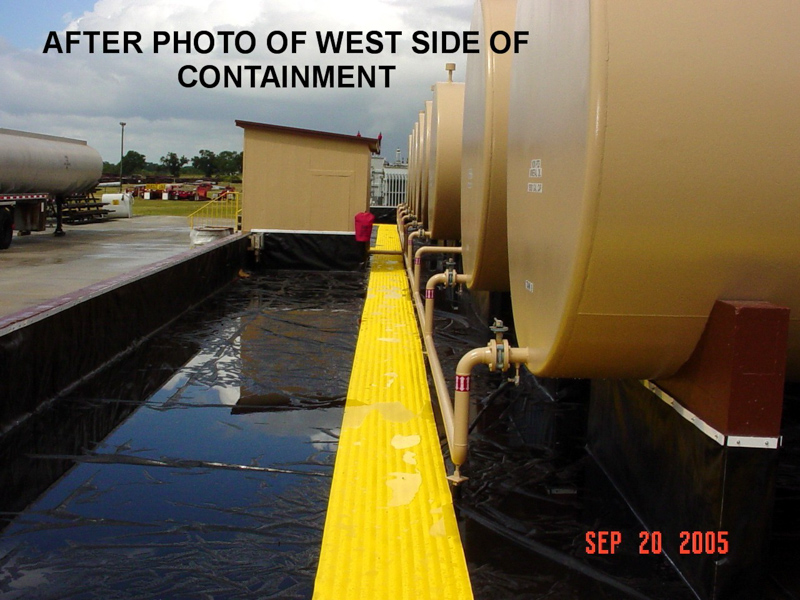



Easy Installation
Minimal Downtime
Highest Quality
- A tank liner is generally the quickest and best way to fix a leaking water tank, both steel and concrete vessels.
- Tank liners are virtually maintenance-free.
- Non bonded lining systems are quality quick-fixes that will extend the life of your existing tank.
- Flexible tank linings can contain extremely corrosive and high temperature chemicals, acid or alkaline and waste fluids as well as water, water based products and gases.
- You can have your tank back in service fast.
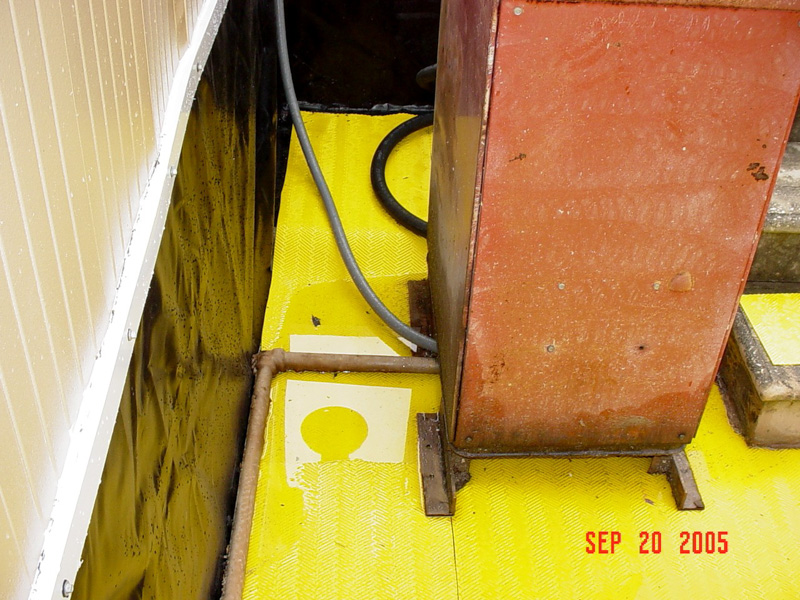
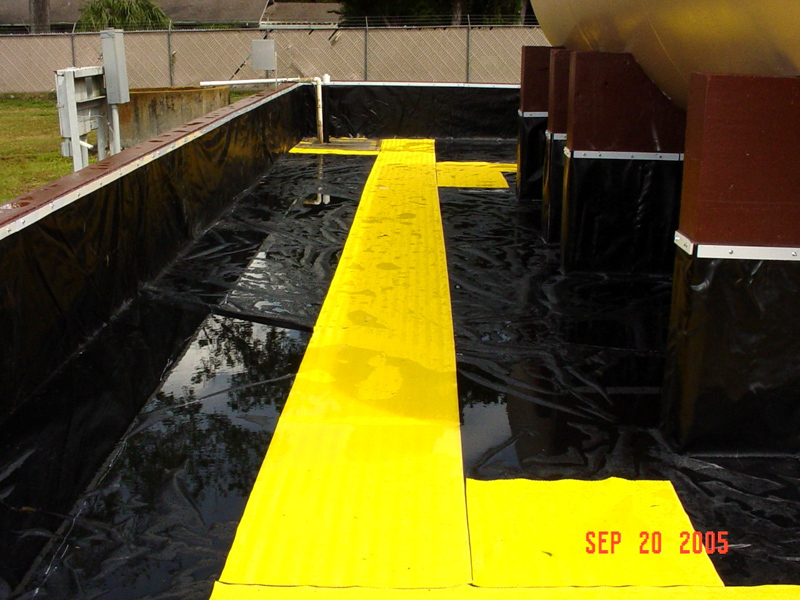
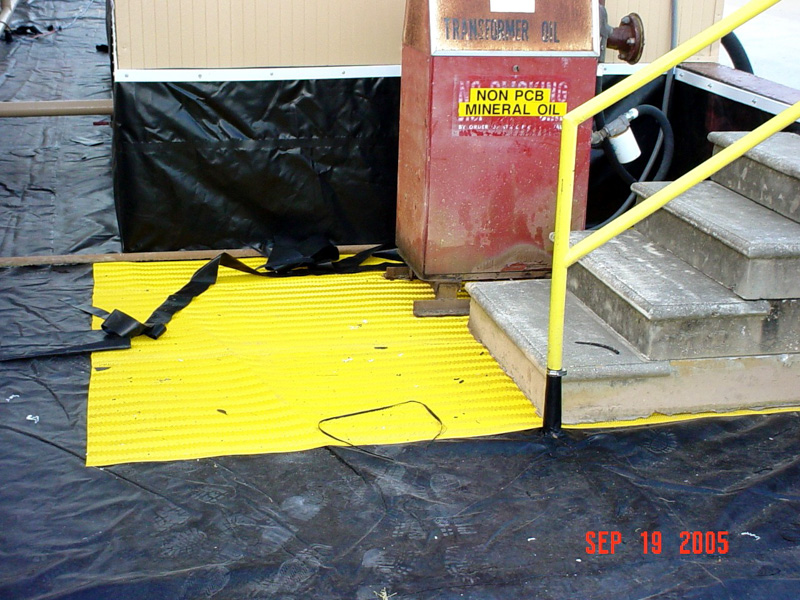
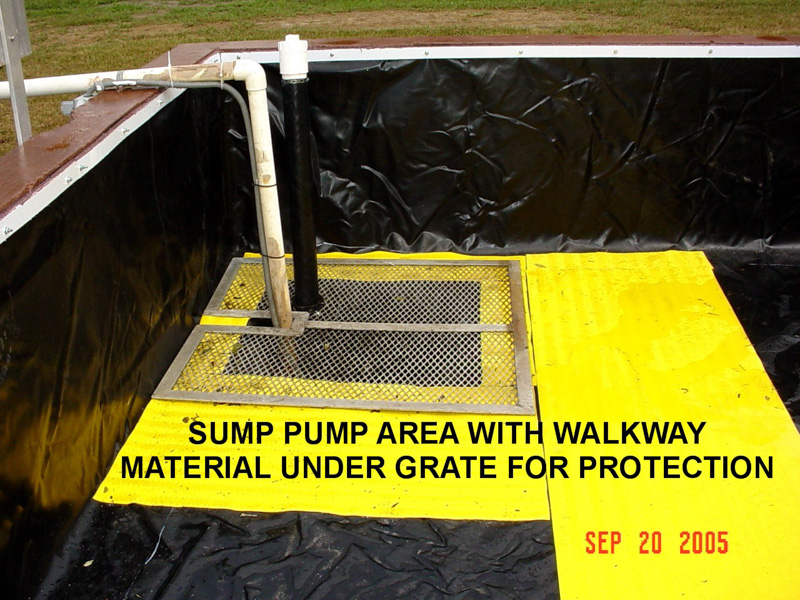
- A tank lining is an integral part in a secondary containment system.
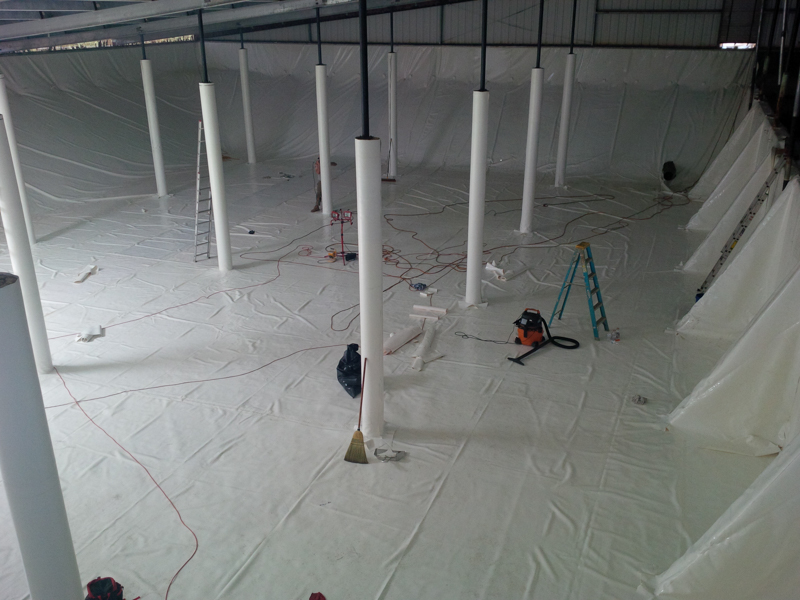
- All our tank liners are custom manufactured to the shape, size and configuration of Your tank, pit, pond or secondary containment.
- Preformed pond and cistern liners are available.
- Our products are used in a wide range of applications as secondary containment lining, plating, chemical storage linings, ponds, water reservoirs and cisterns, clarifier tanks, trenches, swales, canals, gas recovery systems, membranes in pressure vessels, and many more applications.
- Major companies like Boeing Aircraft, 3M, Chevron, GE and many other big companies are using our flexible drop-in linings.
- Flexible lining systems are used in almost all industries where corrosion and/or contamination is a problem.
- Flexible tank liners are a good and inexpensive solution for older leaking water tanks, water cisterns, water reservoirs and fertilizer tanks.
- A flexible tank liner can be put in over lined, lead-lined or coated tanks as well as an old plating tank, lined or not. Little or no preparation is needed prior to the tank liner installation.
- Tank linings are used in steel, plastic, wood, concrete or fiberglass tanks; old and new.
- NSF/ANSI Std. 61 Potable drinking water grade materials are available in a wide range of thickness based on operational conditions.
- Our flexible tank liners can hold a vast range of chemicals, from pH 0 – pH 14 and can withstand varying temperatures.
- We have premium tank liner materials that are excellent in hard-chrome plating solutions.
- The vinyl materials used in our drop-in liners are perfect for electroplating and anodizing tanks where insulators are needed to help prevent build-up.
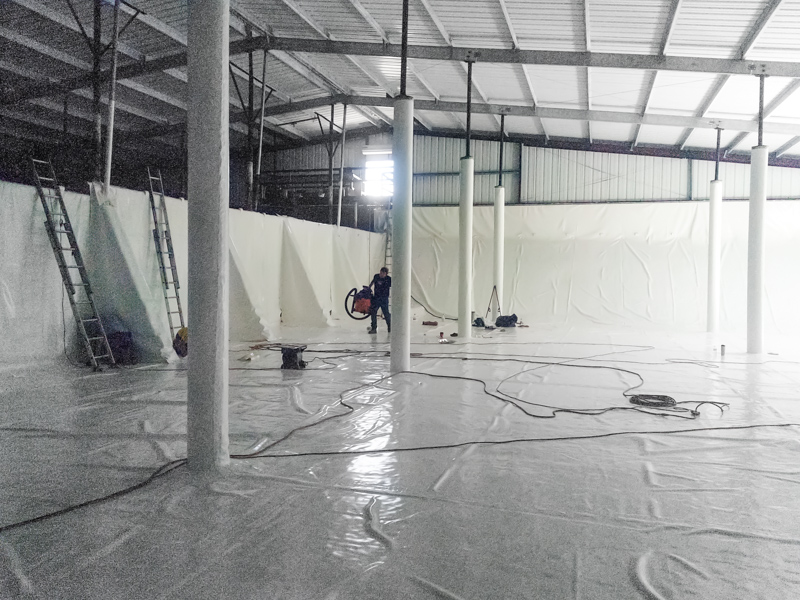
- For large tanks, pits and ponds our lining material can be pre-made in sections and then welded together on location.
- All our PVC linings are made from only highest grade, first run, virgin materials, no fillers. There is a wide range of other materials available, based on your application.
- Our PVC material is dielectrically welded, thus creating maximum tear strength and consistent material thickness over the seal. Other materials may take other manufacturing methods.
- Full installation or only installation supervision of your tank liners is available by our OSHA confined-space certified personnel.
- Stationary impact-plate protection may be necessary for the galvanizing and anodizing industries, where impact to the lining is a concern.
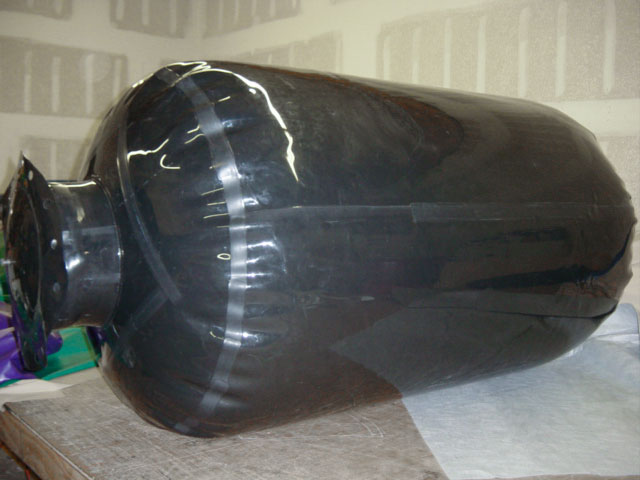
- PVC and polyurethane membranes are used as inflatable containers in gas recovery systems and as pressure vessel bladders.